



The Dangers Of LED Face Masks You Should Know About

LED light therapy masks are powerful at-home tools with remarkable results, transforming your skin and how you feel in it. Due to the power of red light therapy masks, you’re not alone if you’re concerned about safety. The good news is that, if you follow guidelines and use FDA-cleared masks (like ours!) you shouldn’t need to worry. We’re covering everything you need to know about the dangers, side effects and common mistakes of LED therapy. Skip ahead using the guide above to get straight to the questions you want answers to.
IN THIS ARTICLE
- 01 What Is LED Light Therapy?
- 02 What Are The Benefits Of LED Light Therapy?
- 03 What Are The Dangers Of Using LED Face Masks?
- 04 What Are The Side Effects Of Using LED Masks Too Often?
- 05 Can LED Face Masks Damage Your Eyes?
- 06 Common Mistakes With At-Home LED Therapy?
- 07 LED Light Therapy Safety Tips
- 08 The Takeaway
LED therapy masks are everywhere right now and they’re one of the trendiest beauty tools on the market right now. Once reserved for expensive in-clinic facials, they’re now one of the most popular at-home treatment devices — it’s hard to scroll Instagram without seeing a red light therapy selfie.
With the surge in popularity, many people are apprehensive about trying at-home LED devices due to worries about the potential dangers of LED face masks.
The good news is that LED light therapy is a very safe and effective treatment and many studies establish minimal to no side effects with correct at-home use. Targeting various skin concerns, including breakouts, fine lines and wrinkles and uneven skin tone.
As always, however, certain precautions should always be taken to ensure you are getting the most from your treatment.
What Is LED Light Therapy?
LED (light-emitting diode) therapy is a non-invasive device that uses special wavelengths of light to stimulate the skin’s cellular processes (photobiomodulation) to promote repair. It’s used to improve a wide range of skin concerns, including (but not limited to): breakouts and blemishes, hyperpigmentation and uneven skin tone, fine lines and wrinkles, and uneven skin texture.

And we've got astronauts to thank for the discovery. NASA helped pioneer research into LED technology for both plant growth and wound healing during space missions, leading to wider investigation into its medical applications (Whelan et al., 2000). This groundbreaking discovery led to the exploration of potential LED benefits for medical purposes. In time, this technology made its way into the medical field and then became a significant innovation in the cosmetic industry.
|
DEFINITION LED (light-emitting diode) therapy uses UV-free, non-thermal LED bulbs to emit light energy that penetrates the layers of the skin, resulting in cellular signalling that supports tissue repair and regeneration for visible results. |
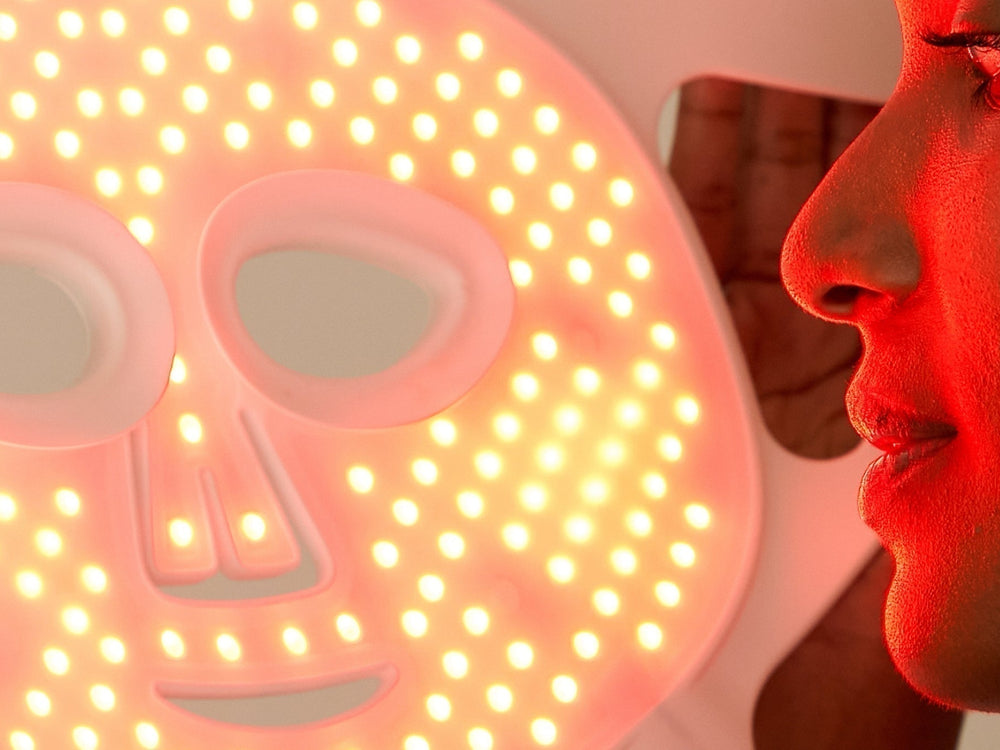
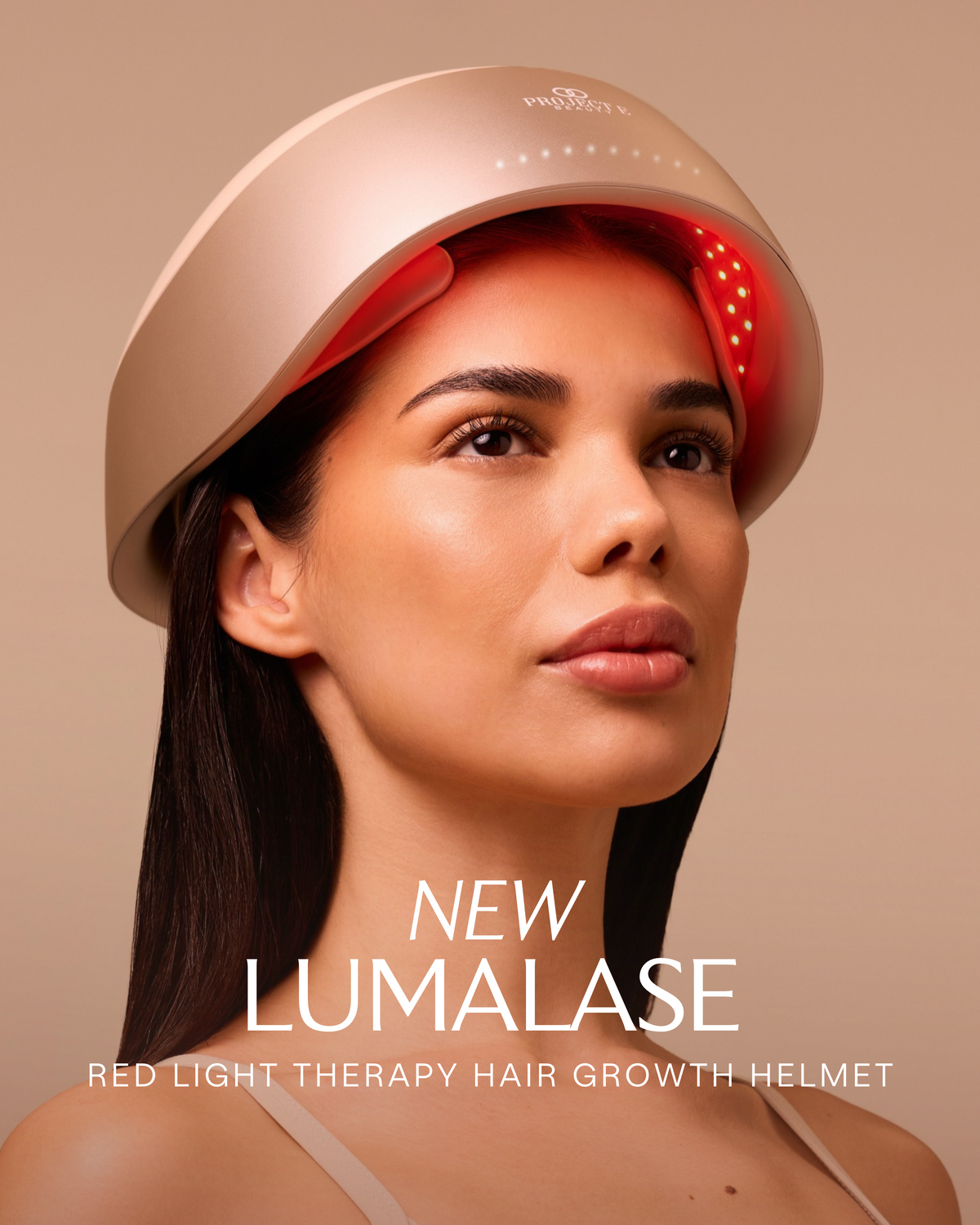
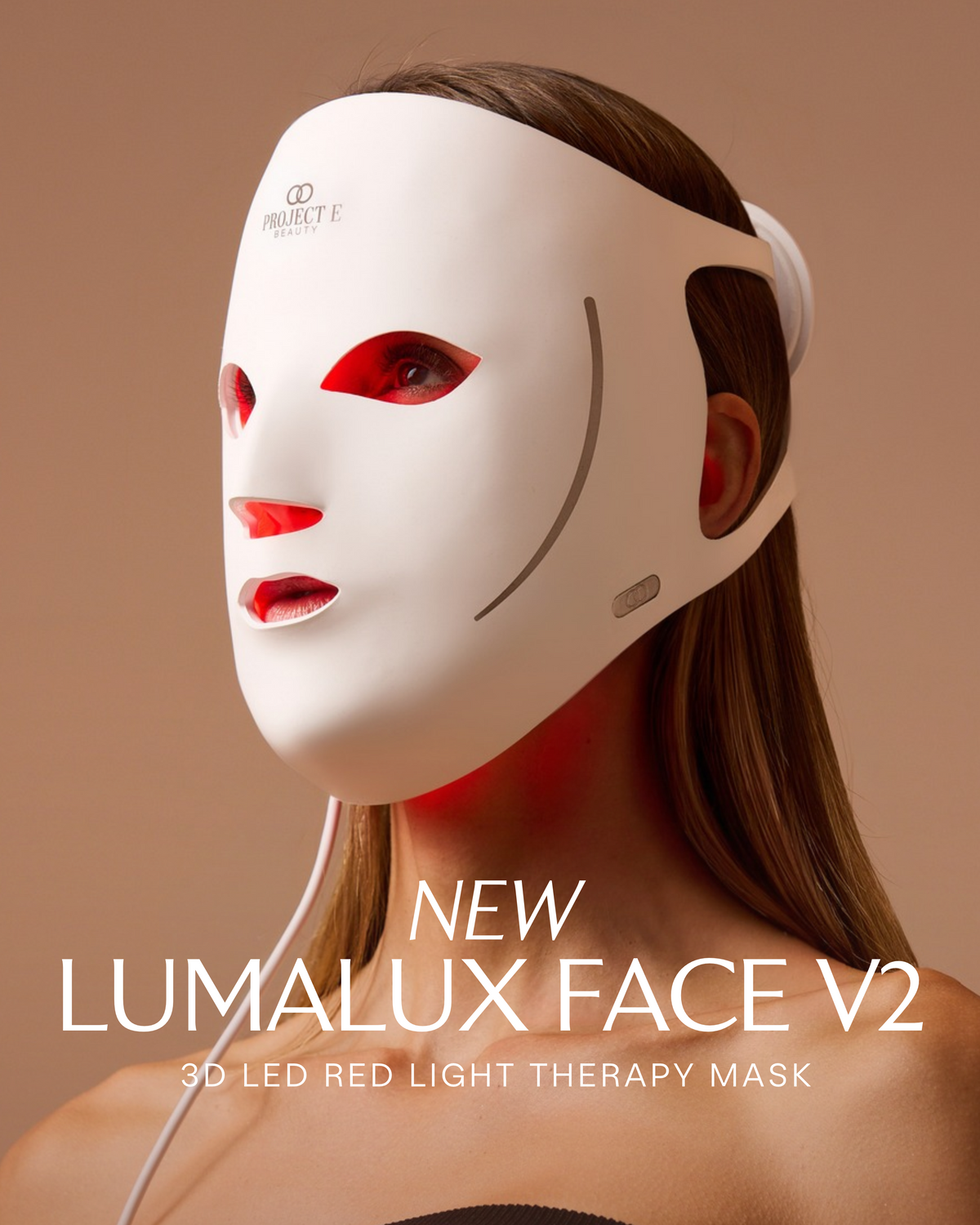
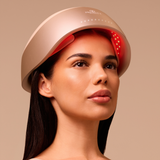
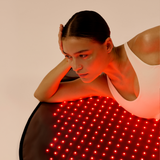
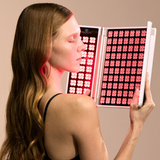
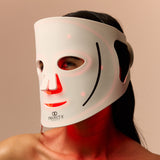
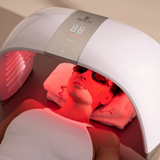
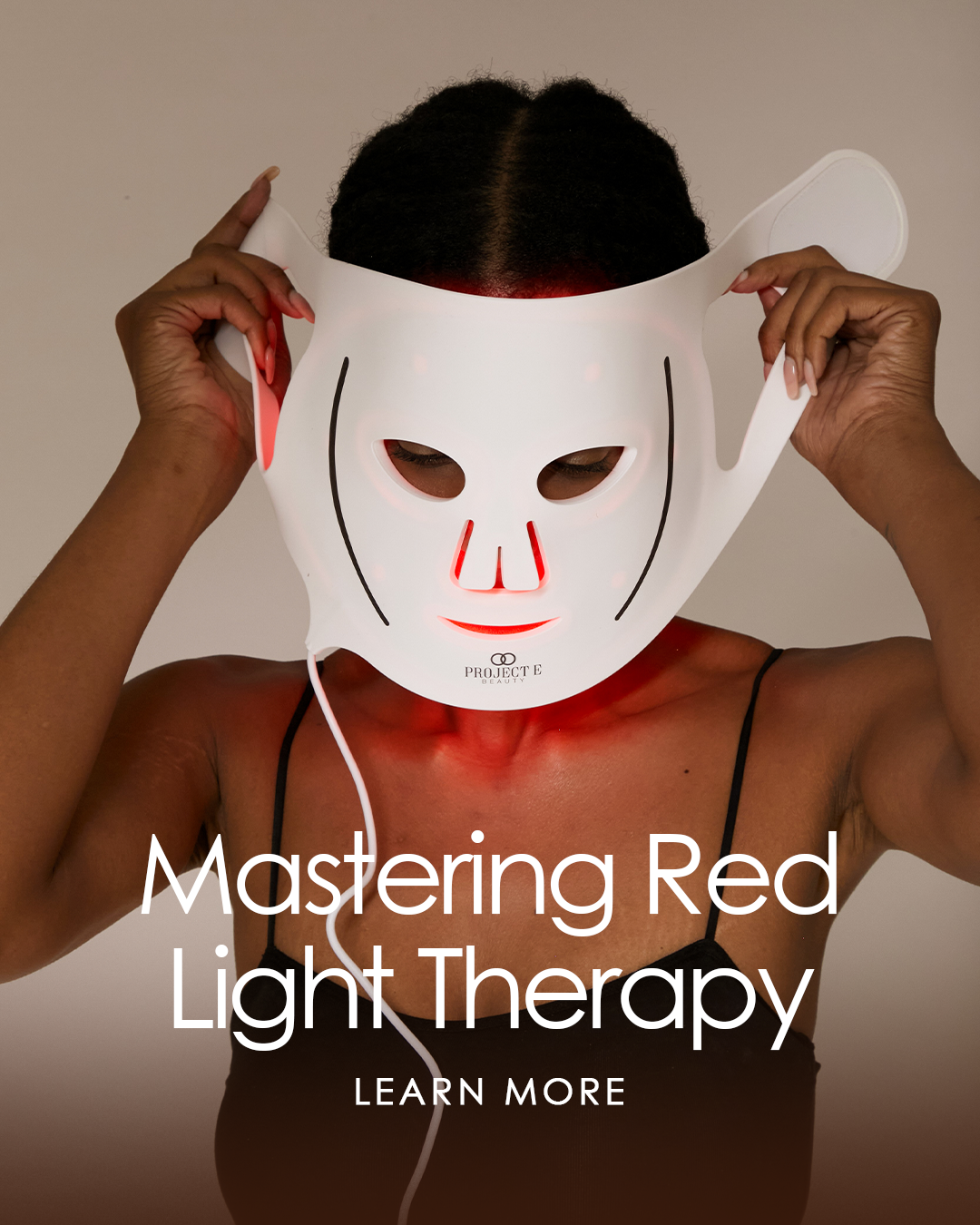
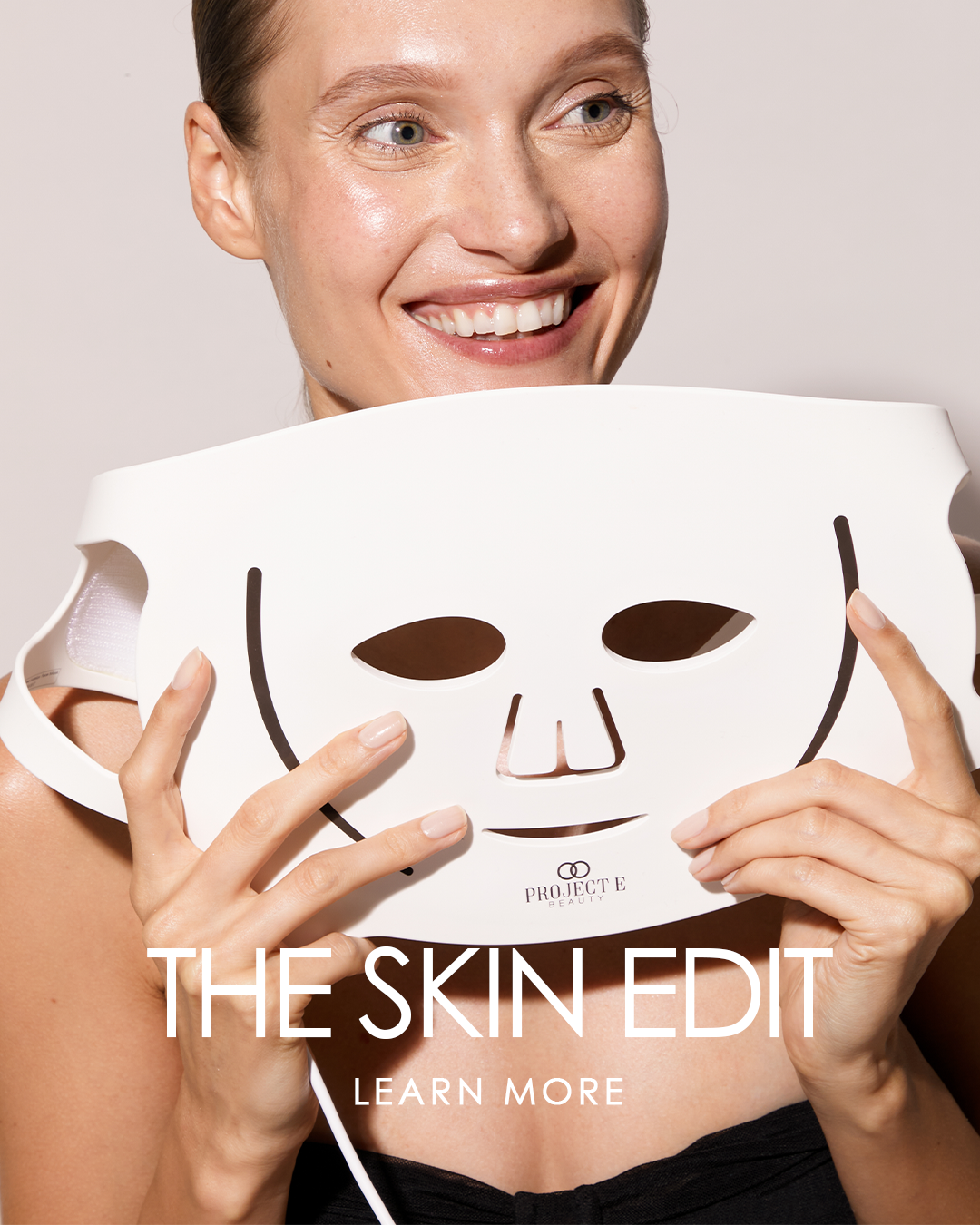
What was once an exclusive in-clinic treatment has now become easily accessible through portable at-home devices. This means that you can conveniently reap the benefits of LED masks, like the LumaLux Face V2 3D LED Red Light Therapy Mask, which has 960 LEDs and combines red, infrared, deep infrared and blue light in two purpose-built modes, Youth Enhancing and Skin Clearing. For a complete face-to-chest routine, the LumaLux Face+ V2 adds a neck and décolletage piece, for 1,920 LEDs in total.
What Are The Benefits Of LED Light Therapy?

The effects of low-level light therapy (LLLT) in rejuvenating the skin rely on the wavelength of light emitted by your device. Different wavelengths penetrate to different depths within the skin and are selected according to the condition being treated. Red and blue light therapy are widely known for their anti-aging and anti-blemish effects, making them popular choices in LED light therapy.
Here are the common wavelengths of light and their corresponding benefits for the skin:
RED LIGHT 630nm - Known for its anti-aging properties, red light therapy increases our production of adenosine triphosphate (ATP) by the powerhouse of the cell, the mitochondria, providing cells with more energy for repair and collagen synthesis. This aids in wound healing and reduces the appearance of fine lines.
BLUE LIGHT 460nm - This antibacterial light targets naturally occurring porphyrins within Cutibacterium acnes, generating reactive oxygen species that destroys breakout-causing bacteria, helping to regulate oil production and improve skin clarity.
INFRARED 850nm - In addition to its anti-aging benefits, infrared light therapy enhances tissue repair and wound healing, while reducing inflammation.
What Are The Dangers Of Using LED Face Masks?
Like any new treatment, it's crucial to understand the potential risks associated with this type of light therapy — particularly unregulated masks. The use of UV-free and non-thermal LED bulbs rules out potential skin damage. Various studies, like this 2018 study, affirm LED’s excellent safety record; however, if not used as instructed, or on skin that’s contraindicated, possible complications can include:
Eye damage
There is currently little evidence that appropriately designed red or near-infrared LED devices damage healthy eyes, although users should always follow manufacturer guidance and wear protective goggles or use LED masks with built-in eye protection. Always purchase your device from a trusted brand to ensure ultimate eye safety (Henderson & Morries, 2015).

Overuse LED light therapy
At-home LED light therapy masks vary in terms of power output, while there is little data to suggest that too much LED light can cause damage to the skin, for best results, it’s recommended to adhere to your device's usage guidelines to avoid any unwanted irritation.
Skin conditions
Although LED light therapy is generally considered safe, if you have severe skin conditions, always consult a dermatologist to ensure LED light therapy aligns with your overall treatment plan. Unless specifically advised by a healthcare professional, avoid using cosmetic LED masks over broken or infected skin.
What Are The Side Effects Of Using LED Masks Too Often?
When it comes to LED masks, there’s an optimal level of use, after which, there aren't any further benefits, so sticking to recommended usage per instructions is important. While generally safe if used a little longer than recommended, excessive use isn’t going to give you good outcomes.
Excessive overuse of LED masks can cause skin irritation, redness, and, in some cases, even post-inflammatory hyperpigmentation.
Can LED Face Masks Damage Your Eyes?
As previously mentioned, LED face masks that are FDA-cleared (or CE cleared in Europe) and follow all safety protocols won’t cause damage to your eyes. Red and near-infrared light are not known to damage eyesight.
LLLT red light devices have even been used in human trials to look into whether the therapeutic benefits may help with dry eyes. Although more studies are needed, they’re certainly showing promise and help reassure that red light is perfectly safe for the eyes when used correctly.
For concerns around blue light, it’s important to remember that the blue light emitted from the sun and screens isn’t the same as the blue light emitted from LED devices. At the correct wavelength, intensity, dose and treatment duration, blue light has excellent therapeutic benefits, including reducing blemishes.
Common Mistakes With At-Home LED Therapy?
Many of the concerns with LED therapy come down to user error rather than an unsafe device.
Common mistakes people make when it comes to at-home LED face masks, include:
LED therapy mistake 1: Not wearing the device correctly
Ensure your mask fits perfectly on your face according to the manufacturer's instructions so the correct dosage is delivered evenly across the treatment area during a session. This means not having it too close that it may cause unnecessary damage, or too far away so that you don’t get the benefits of the device.
LED therapy mistake 2: Overuse of the device
We’ve said it a few times now, but wearing the device more than recommended isn’t going to yield better results. More isn’t better when it comes to LLLT; stick to the manufacture guide.
LED therapy mistake 3: Inconsistent use
Consistency is key when it comes to LED face masks. You have to use it per the instructions on a regular basis to see visible results. This is where getting a device that works quickly is recommended.
LED Light Therapy Safety Tips

By being aware of potential risks and taking necessary precautions, you can safely enjoy the rejuvenating benefits of LED light therapy. If you have any concerns or questions, it's a good idea to consult with a healthcare professional for expert advice.
It's important to follow best practices. Here are some simple tips to ensure a safe and effective LED light therapy experience:
-
- When selecting an LED mask, it is advisable to choose one that includes safety blackout goggles or has built-in eye protection. This added feature alleviates concerns about potential eye damage.
- It is also beneficial to explore reviews, not only for the product itself, but also for the company behind it. Consider whether the company is responsive to customer inquiries and if they offer a return and exchange policy.
- To ensure a safe and effective LED light therapy experience, familiarize yourself with the instruction manual prior to the first use. Keep the manual for future reference.
- Follow the suggested treatment plan diligently. Do not exceed the treatment duration recommended by the manufacturer.
- As favourable results become evident, you can gradually reduce the frequency of use. This allows your skin to maintain the improvements while also allowing sufficient time for rest and recovery between sessions.
- If you are on medication, it is important to seek advice from your healthcare professional as certain medications such as doxycycline, lymecycline, isotretinoin, amiodarone, chlorpromazine and St John’s wart can be photosensitising.
- You should avoid use without medical advice if you have certain health conditions such as lupus, porphyria, active skin cancer, epilepsy triggered by flashing lights and unexplained pigmented lesions.
- There is no strong evidence that cosmetic LED therapy is harmful during pregnancy, but many manufacturers recommend avoiding elective use unless advised by a healthcare professional.
- When selecting an LED mask, it is advisable to choose one that includes safety blackout goggles or has built-in eye protection. This added feature alleviates concerns about potential eye damage.
Not all LED devices are equivalent. Therapeutic outcomes depend on the correct wavelength, irradiance (power density), energy dose (fluence), treatment duration and manufacturing quality, not simply on whether a mask emits red or blue light.
The Takeaway
When it comes to skincare trends, it’s essential to strike a balance between curiosity and caution. LED face masks have gained popularity for their incredible benefits and visible results, but understanding the risks when it comes to unregulated masks is equally crucial. Here’s what you should remember:
LED Light Therapy: This innovative treatment uses UV-free, non-thermal LED bulbs to transform your skin at the cellular level. From breakouts to wrinkles, it targets various concerns.
Safety First: While the results are appealing, prioritize safety. Remember to protect your eyes and use the mask for the recommended time. It's easy to add into your everyday routine: just 10 minutes a day with LumaLux Face V2.
Related article: What Happens If You Overdo LED Therapy?
References:
Whelan, H. T., Houle, J. M., Whelan, N. T., Donohoe, D. L., Cwiklinski, J., Schmidt, M. H., … Stinson, H. (2000). The NASA light-emitting diode medical program—Progress in space flight and terrestrial applications. AIP Conference Proceedings, 504(1), 37–43.
Henderson, T. A., & Morries, L. D. (2015). Near-infrared photonic energy penetration: Can infrared phototherapy effectively reach the human brain? Neuropsychiatric Disease and Treatment, 11, 2191–2208. https://doi.org/10.2147/NDT.S78182

LumaLux Face+ V2 | 3D LED Red Light Therapy Face & Neck Mask
1,920 LEDs across face, neck and décolletage with red, infrared, deep infrared and blue light

LumaLux Face V2 | 3D LED Red Light Therapy Mask
960 LEDs and 140% more red light for collagen, fine lines and breakouts, in a new 3D contour fit